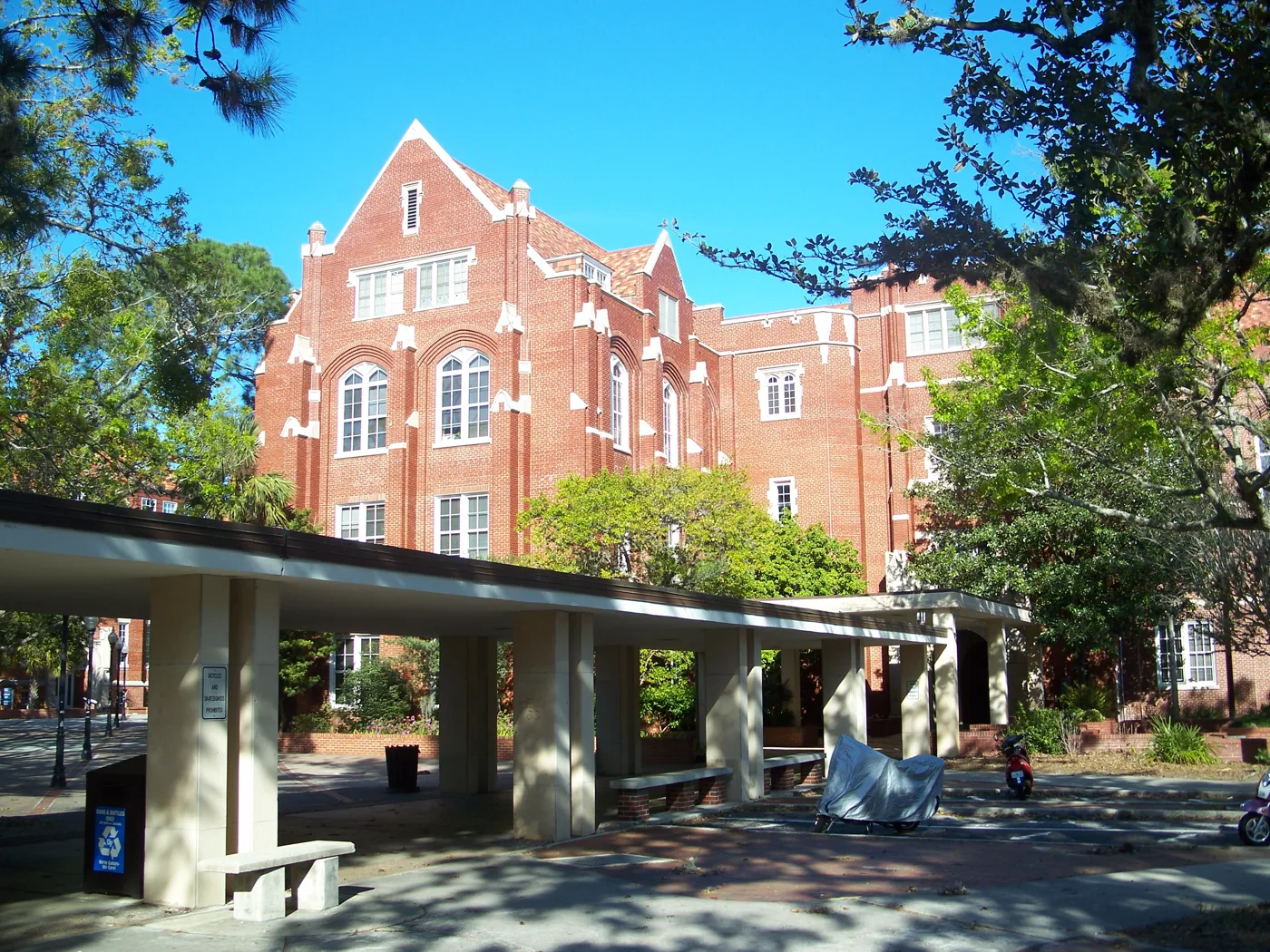
Historian Christopher Pastore talks at UF's Smathers Library on Thursday, Nov. 5, on how fishermen, divers and boatmen shaped Atlantic science. Free, all welcome.
Historian Christopher Pastore will give a free public talk at the University of Florida on Thursday, Nov. 5, about how everyday people who lived and worked by the sea helped build scientific knowledge of the Atlantic Ocean.
The talk, “A Thousand Thousand Slimy Things: A Natural History of the Sea from the Bottom Up,” runs from 4 to 5:30 p.m. in Room 100 of Smathers Library, 1508 Union Road. It is hosted by the UF Center for the Humanities and the Public Sphere. Admission is free and, in the center’s words, “all are welcome.”
What the talk is about
The center frames the evening with a question: “What can the strange and slimy creatures of the sea tell us about how knowledge is made?”
Pastore’s subject is the 17th through the 19th centuries. The center describes the talk as “an exploration of how everyday people helped shape our understanding of the Atlantic Ocean” in that period.
“Drawing on the observations of fishermen, divers, boatmen, women and other ocean-goers, Pastore traces how people living and working alongside the sea helped chart Atlantic circulation, classify marine creatures and contribute to the emerging science of marine algae,” the center said.
It calls the talk “a fascinating look at ocean history, natural science and the often-overlooked people whose firsthand knowledge helped us better understand the world beneath the waves.”
Part of the Blue Humanities series
The lecture is the second in the center’s 2026-27 Blue Humanities Speaker Series, which the center says explores “how oceans, rivers and other bodies of water shape human culture, history, imagination and belonging.” Its speaker page lists Pastore as an associate professor of history at the University at Albany.
The series continues Thursday, Feb. 11, with Margaret Cohen of Stanford University.
If you go
- When: Thursday, Nov. 5, 4 to 5:30 p.m.
- Where: Smathers Library, Room 100, 1508 Union Road, University of Florida
- Cost: Free
- Who can come: Everyone
- Details and RSVP: the UF calendar listing and the center’s speaker series page
Have your say